Category: Uncategorized

  • Closing the Loop: How SED is Enabling a Water-Independent Textile Industry

    Closing the Loop: How SED is Enabling a Water-Independent Textile Industry

    Reclaim. Reuse. Reimagine – Textile’s Water Future with SED

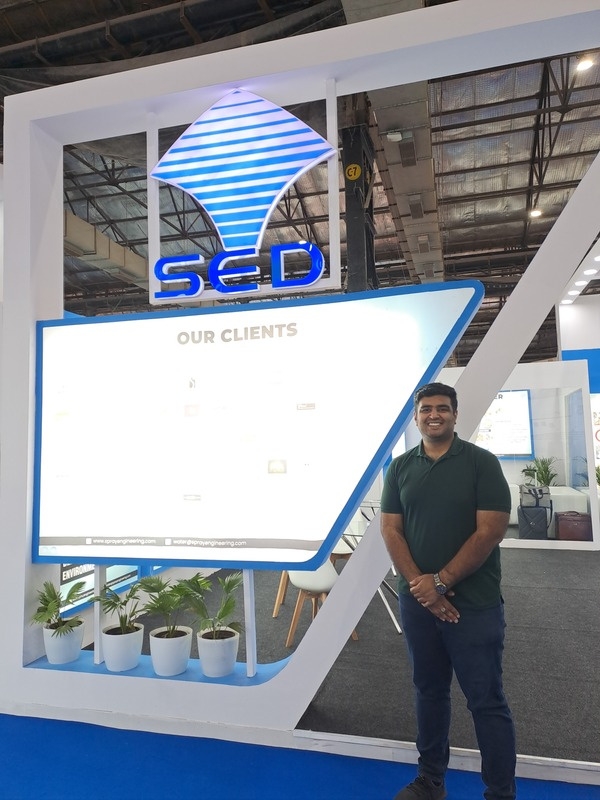
    Vimarsh Verma – Director Operation, SED, Mohali, Punjab, India

    Haresh Shandilya – Research and Process Engineer, SED, Mohali, Punjab

    Water is the lifeblood of the textile industry. From dyeing to bleaching, printing to finishing, every stage relies heavily on it. Yet, with freshwater scarcity worsening and environmental regulations tightening, the industry now faces a critical question:

    How do we continue to innovate and grow without exhausting our water resources?

    The answer lies in circular water recovery. What if textile manufacturers could eliminate dependence on external water intake and operate in a closed-loop, sustainable system? With SED’s Smart Energy Driven Solutions for Textile Effluent, that future is not only possible – it is already here.

    From Effluent to Distilled-Quality Water

    Every textile unit generates large volumes of effluent, rich in dyes, salts, and chemicals. Traditionally, this is considered waste, requiring costly treatment before disposal.

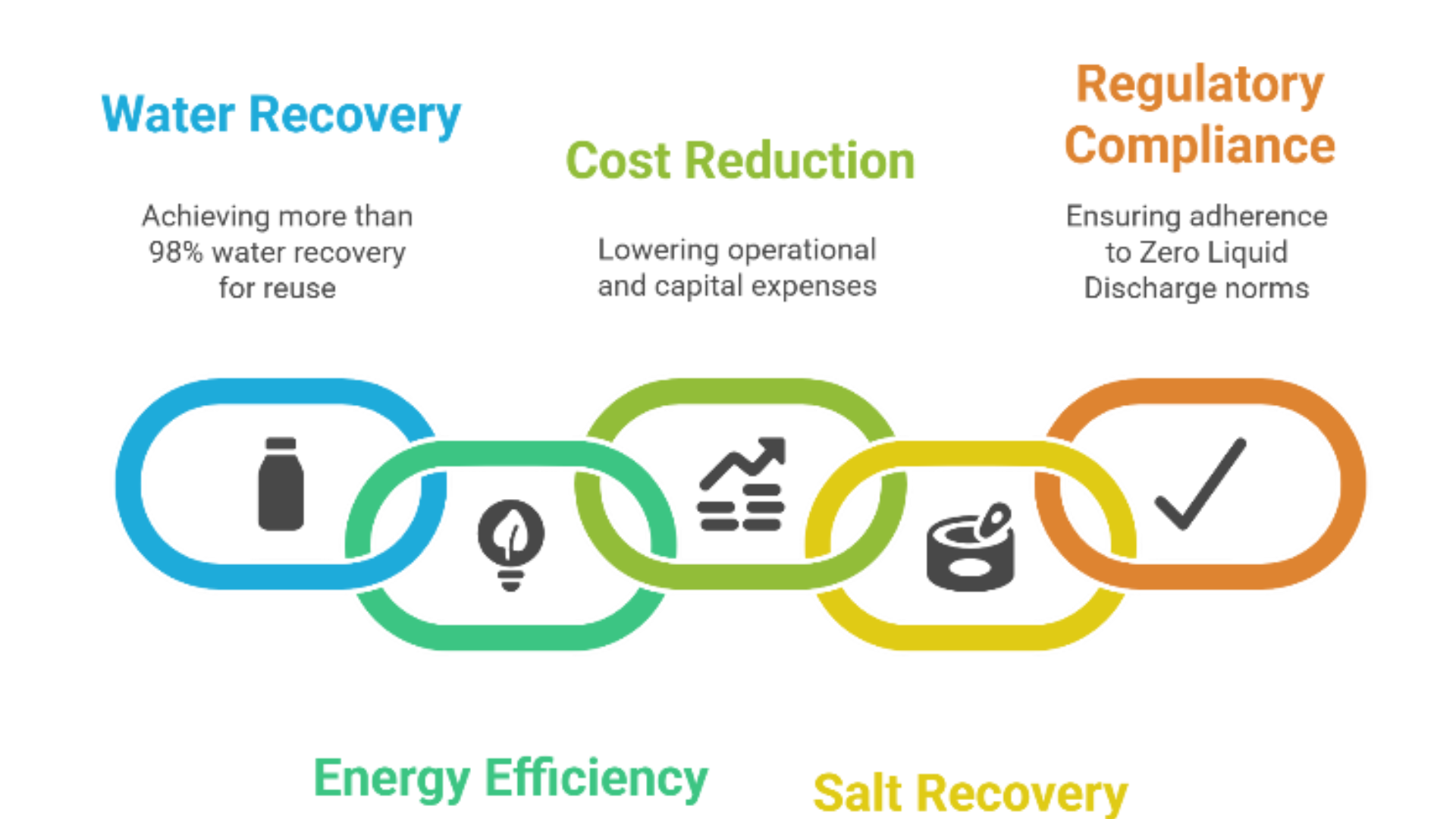
    SED changes this perspective. With their effluent recovery system, more than 98% of pure water can be recovered directly from textile wastewater. The recovered water is distilled-equivalent quality, making it perfectly suitable for reuse in even the most sensitive textile processes.

    This innovation redefines wastewater:

    • Effluent is no longer waste – it becomes the main source of clean process water.
    • Circular loop established – recovered water is fed back into the textile process.
    • Groundwater dependence reduced drastically – industries can thrive without external water intake.

    A Win-Win for the Industry
    By adopting SED’s solution, textile manufacturers gain benefits across operations, compliance, and sustainability:

    • Operational Reliability – A steady, secure supply of pure water for all process needs.
    • Regulatory Compliance – Meet or exceed strict discharge norms with ease.
    • Cost Advantage – Reduced expenditure on water procurement and waste management.
    • Sustainability Leadership – Strengthen your brand’s image as a green, responsible manufacturer trusted by global buyers.

    From Problem to Solution

    What was once a major challenge – wastewater – is now the key to building a sustainable, resilient textile industry. By adopting SED’s solution, textile manufacturers don’t just solve their wastewater issue; they unlock new efficiencies and long-term benefits.
    The Future is Circular

    The message is clear: the textile industry of tomorrow will no longer depend on freshwater intake it will thrive on smart recovery and reuse.
    With SED’s advanced solutions, the textile industry is entering a new era where water challenges are transformed into opportunities. A self-sufficient, circular water model ensures reduced dependency, lower costs, and enhanced sustainability. Truly, a win-win situation for business, environment, and society.
  • A New Vision for Wastewater in the Textile Industry

    A New Vision for Wastewater in the Textile Industry

    Water has always been the textile industry’s greatest ally and its
    greatest challenge. Every meter of fabric, every shade of dye,
    every finish owes its existence to water. Yet as freshwater
    resources decline and regulatory pressures rise, the textile industry
    faces a pressing reality: the traditional “use-and-dispose”
    water model is no longer viable. At Spray Engineering Devices
    Limited (SED), we believe the future lies not in consuming more
    water, but in recovering, reusing, and reimagining what is already
    at hand. Wastewater, often dismissed as an unwanted
    byproduct, can in fact become the cornerstone of a circular,
    resource-efficient economy.

    Beyond Treatment: Towards a Circular Water Economy

    Conventional effluent treatment has always focused on compliance, treating wastewater to meet discharge norms. While necessary, this approach overlooks the true potential of effluent as a resource reservoir.

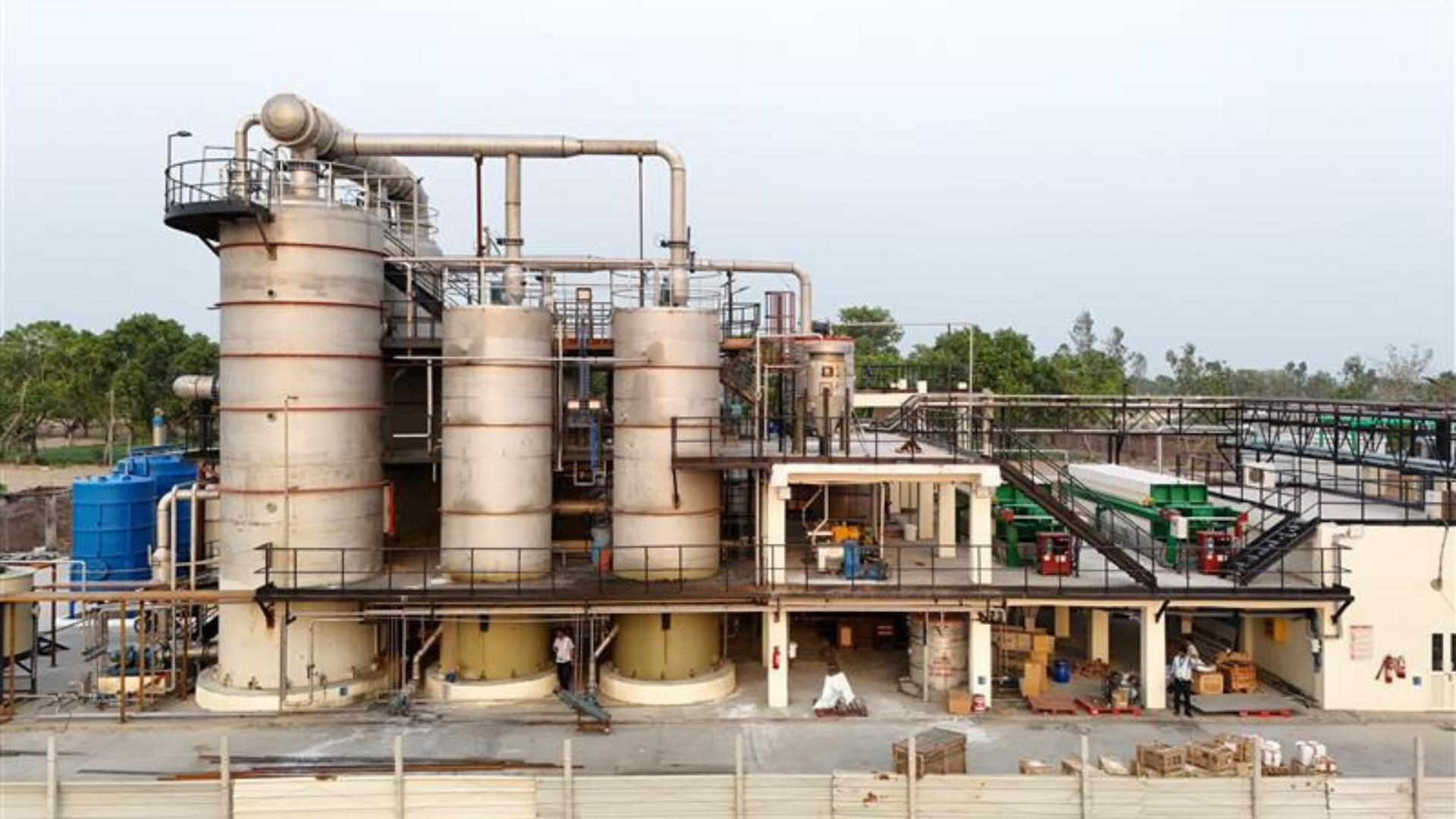
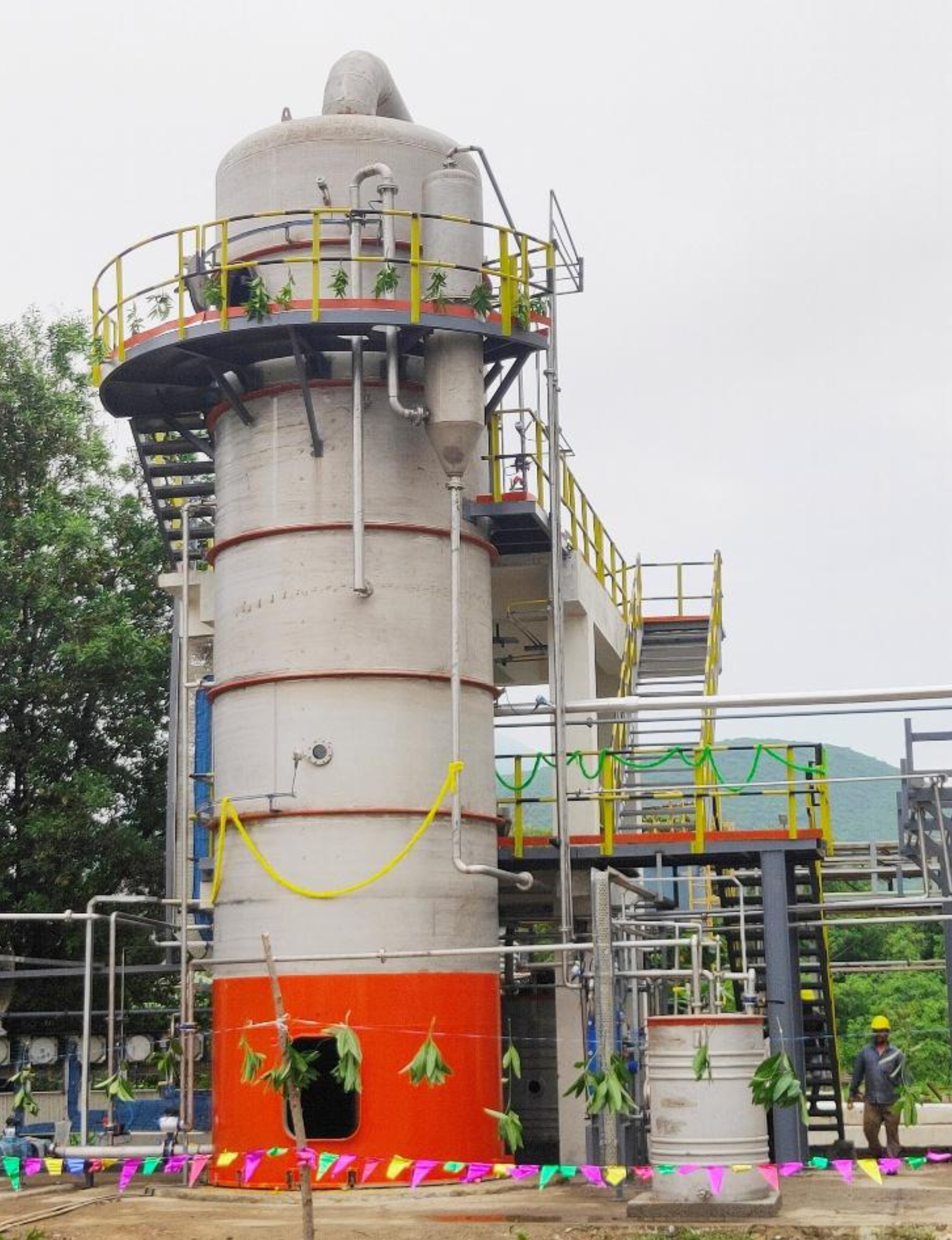
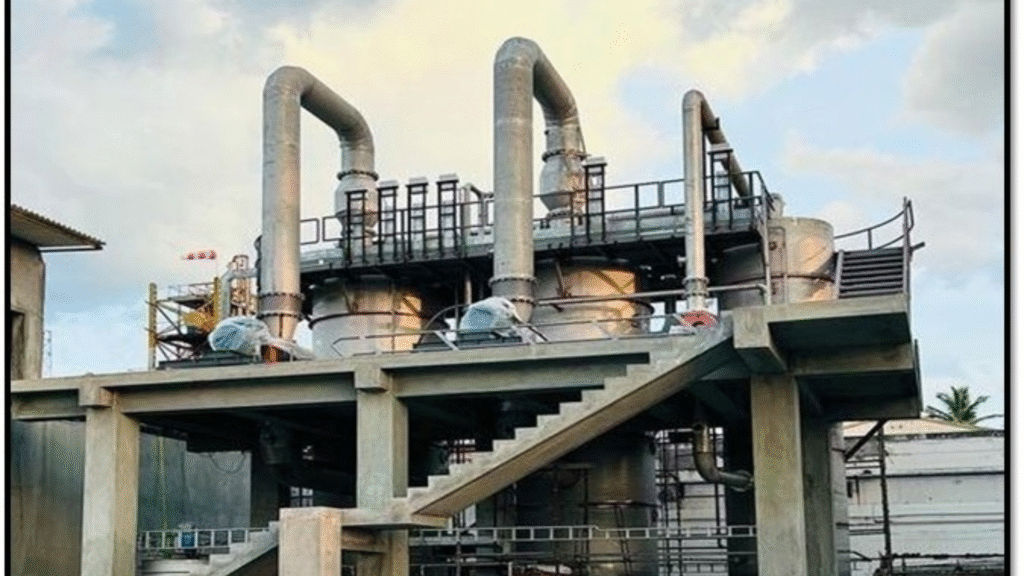
    SED’s philosophy is different. With our advanced MVR Based Low Temperature Evaporator (LTE®), wastewater is no longer just treated — it is transformed:

    • Clean Water Recovery – Up to 99% of effluent is reclaimed as high quality water in the form of condensate with TDS less than 200 ppm suitable for reuse in dyeing and finishing processes. 
    • Salt Recovery – Salts such as sodium sulfate are extracted, purified, and reintroduced into production cycles, reducing raw material costs.
    • Dye Concentration – Used dyes can be reclaimed through concentration and recovery
    • Energy Reuse – Heat energy, often wasted in conventional systems, is captured and reintegrated into plant operations.

    In this model, nothing is wasted. Water, salts, dyes and energy flow back into the system, creating a self-sustaining loop.

    Case in Point: Arthanari Loom Center (ALC), India

    A leading example of this transformation can be seen at Arthanari Loom Center (ALC) in Salem, Tamil Nadu. Serving iconic global brands such as ZARA, GAP, and Ralph Lauren, ALC had to meet both customer sustainability expectations and strict Zero Liquid Discharge regulations from Central Pollution Control Board & Tamil Nadu Pollution Control Board.

    The challenges were formidable:

    • High Total Dissolved Solids (TDS), making direct discharge impossible.
    • High Chemical Oxygen Demand (COD) from dyes and organic sizing agents, which resisted biological degradation.
    • High Hardness, leading to scaling in process equipment and utilities.
    • Excess Chlorides, causing corrosion of pipelines and pumps while posing risks to ecosystems also.

    Traditional biological treatment methods and primary effluent plants could not adequately reduce salt loads or COD levels, leaving ALC in need of a cutting edge, reliable solution. SED’s solution was decisive. With SED’s MVR-based LTE®, ALC unlocked the hidden value in its wastewater while achieving the following key outcomes:

    Vimarsh Verma, Director – Operations, Spray Engineering Devices

    • 75% clean water recovered and fed back into dyeing and processing lines.
    • 7,000–9,000 kg of salts reclaimed daily and reused in operations.
    • 5 million kilo calories of heat energy reused every day, slashing costs.
    • Achieving full ZLD to ensure compliance with PCB regulations.
    • Cutting operation costs to 1/4 th of that of conventional systems.
    • Energy Efficiency: Reduced power consumption (20–22 kWh/m3), and negligible steam consumption with zero reliance on boiler.

    What began as a regulatory necessity became a strategic advantage. Today, ALC not only meets environmental standards but also reduces costs, enhances efficiency, and strengthens its brand as a sustainable supplier to the world’s biggest fashion retailers.

    Turning Challenges into Opportunities

    The ALC story illustrates a larger truth: wastewater is not a liability; it is a resource waiting to be unlocked. For textile manufacturers worldwide, the benefits are compelling:

    • Operational security – A steady, in-house supply of high-quality water.
    • Regulatory peace of mind – effortless compliance with global discharge norms.
    • Easy to Retrofit – Seamless integration into existing systems
    • One-Step ZLD Solution – Pure evaporation, no chemical pre-treatment
    • Less CIP &\ Higher Uptime – Maximizes productivity and profitability
    • Resource Recovery & Circular Economy – Supports sustainable operations
    • Sustainability credentials – Stronger appeal to eco-conscious brands and buyers.

    The Road Ahead: A Self-Sustaining Textile Industry

    The textile industry of tomorrow will not rely on ever-depleting freshwater reserves. Instead, it will thrive on closed-loop systems where every drop of water, every grain of salt, and every unit of energy is reclaimed and reused. SED’s mission is to make this future accessible, one textile plant at a time, across the globe. By helping manufacturers reclaim, reuse, and reintegrate resources, we are proving that wastewater is not waste at all. It is the foundation of a circular economy that benefits industry, society, and the globe alike.

  • Evaporate the Waste, Elevate the Worth: A New Era in Water Recovery

    Evaporate the Waste, Elevate the Worth: A New Era in Water Recovery

    SED’s MVR-based ZLD system maximizes resource recovery from wastewater while minimizing energy consumption and environmental impact.
    By Vimarsh Verma and Haresh Shandilya

    Introduction: Turning Challenges into Sustainable Solutions

    Across the world and especially in water-stressed regions like the Middle East, industries are facing a stark
    reality. Water scarcity is deepening, while wastewater volumes are growing. Rivers are drying, groundwater
    tables are depleting, and the cost of clean water is rising steadily.
    In this context, Zero Liquid Discharge (ZLD) is no longer a regulatory checkbox it is an urgent necessity.
    Industries today don’t just “want” ZLD they need it to survive, to sustain, and to stay future-ready. The
    challenge? Traditional systems are energy-intensive, costly, and often incapable of handling complex effluents
    efficiently.
    At SED, we’ve addressed this challenge with a powerful yet elegant solution the MVR-based Low
    Temperature Evaporation (LTE®) system. It transforms industrial effluent into high-purity water (<10 ppm
    TDS) almost as clean as distilled water without steam, chemicals, or high maintenance. Water recovery is up
    to 99%, making it one of the most efficient solutions available. But more importantly, it restores control,
    efficiency, and sustainability back into the hands of industries.

    What Makes LTE with MVR Different?

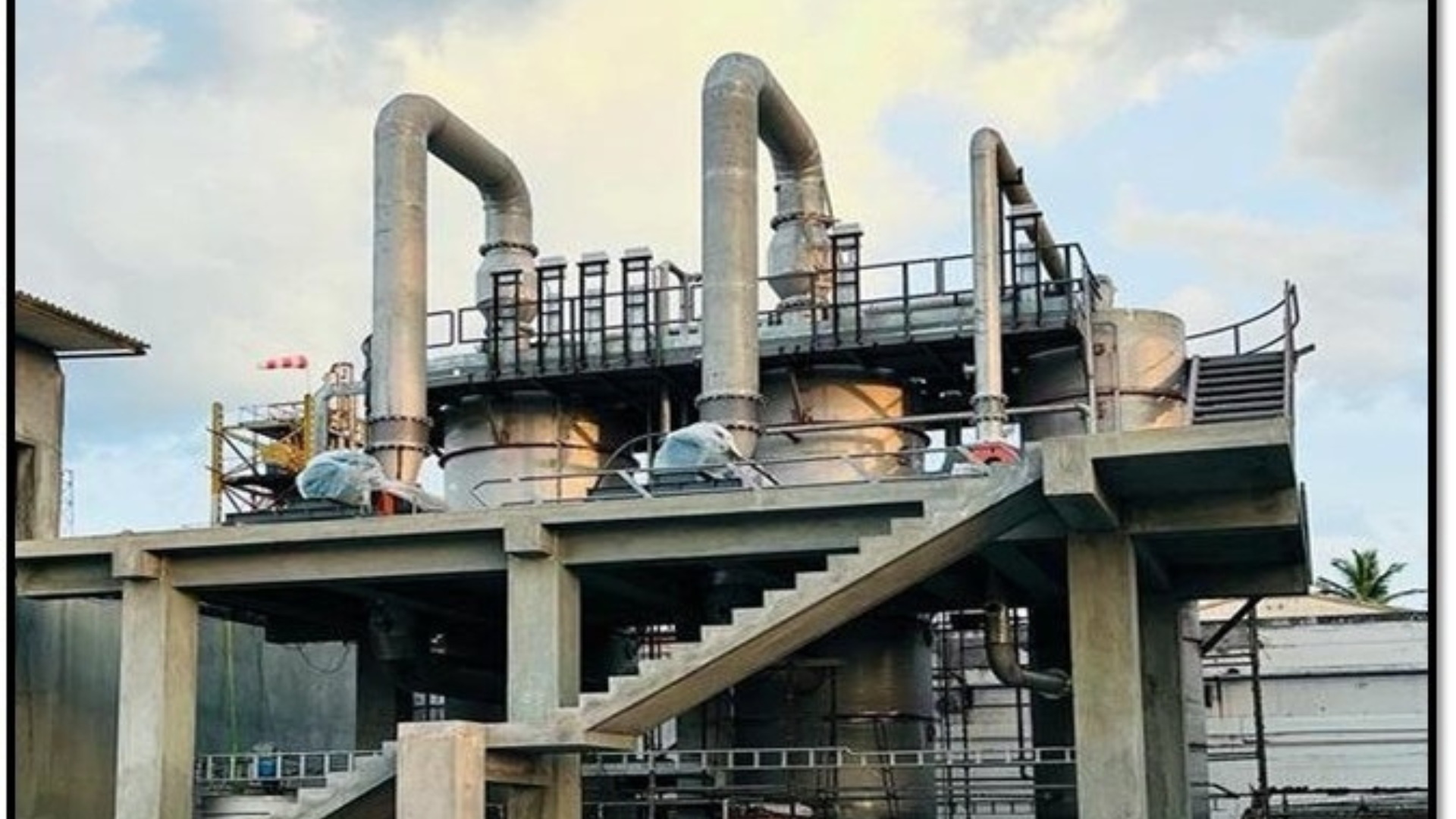
    Low Temperature Evaporation (LTE®) is a vacuum-assisted process that allows water to evaporate at just 60-70°C. When paired with Mechanical Vapor Recompression (MVR), the vapor produced is reused to heat the system making it highly energy-efficient and completely steam-free.
    This technology doesn’t just concentrate waste; it reclaims water, recovers valuable salts and chemicals, and helps industries drastically cut down operational expenses.

    Why Industries Are Switching to SED MVR-LTE®

    Here’s what makes this technology a preferred choice for sustainable ZLD:

    • Ultra-Low OPEX – Consumes only 10 – 12 kWh/m³, with no chemical pretreatment required. Feed goes directly into the system.
    • Low Temperature Operation – Reduces scaling, handles corrosive fluids easily, extends MOC life, and lowers power consumption.
    • No Boilers, No Cooling Towers – A clean and compact system that simplifies plant design by eliminating bulky utilities, significantly reducing operational costs.
    • Customizable Footprint – Can be designed in vertical or horizontal layouts to suit any industrial space.
    • Fully Automated – Runs on PLC with remote access; needs minimal, unskilled manpower.
    • More Than Water Recovery – Also recovers dyes, salts, acids, and valuable chemicals from effluents.
    • Product Concentration – Can be used to concentrate liquid glucose, buttermilk, dyes, Glauber’s salt,and more.
    • >99% Water Recovery – Achieves industry-leading water recovery efficiency, leaving virtually no liquid waste behind.
    • Handles Highly Variable Effluents – Designed to treat fluctuating flow rates and complex compositions without compromising performance.
    • Ready for a Solar Future – As solar and renewable electricity become more accessible, the system moves toward near-zero utility cost.
    • Tolerates Extreme TDS Loads – Capable of handling wastewater with TDS levels exceeding 150,000 ppm with consistent reliability

    Why Choose SED for ZLD?

    At SED, we deliver ZLD systems engineered to operate using Mechanical Vapor Recompression (MVR) technology. This innovative approach significantly reduces energy demands compared to traditional systems, making our solutions both cost-effective and environmentally sustainable. Here’s why industries rely on us:

    • Tailored Solutions: We provide bespoke ZLD designs suited to your specific industrial needs, ensuring
      optimal performance and compliance.
    • Proven Expertise: With decades of experience in water treatment technologies, we understand the
      complexities of wastewater management.
    • Innovative Technology: Our solutions are equipped with state-of-the-art equipment, such as evaporators, PTFFE (Plate Type Falling Film Evaporators), TTFFE (Tube Type Falling Film Evaporators), FCE (Forced
      Circulation Evaporators), and dryers, ensuring efficient water recovery with minimal power usage due to MVR.
    • Sustainability Focus: We prioritize energy-efficient systems that reduce your operational costs while meeting environmental targets.
    • End-to-End Support: We don’t just build and deliver we stay with you. Our clients get full-time support, complete with dedicated engineers and Operation & Maintenance (O&M) services, ensuring seamless
      operation and peace of mind.

    Industries We Serve

    Our systems are actively delivering ZLD and product recovery solutions in:

    • Textile & Dyeing
    • Distilleries (Spent Wash, Condensates)
    • Pharmaceuticals & APIs
    • Chemicals & Fertilizers
    • Municipal & Landfill Leachate
    • Food & Dairy (Buttermilk, Glucose)
    • Electroplating, Pulp & Paper
    • Product recovery streams (Salts, Acids, Dyes)
      We have 300+ installations across the globe and a presence in 45+ countries.

    Conclusion: ZLD is No Longer an Option – It’s a Necessity

    Today, ZLD is not just something you want its compulsory. Traditional methods are costly, complex, and no longer suitable for modern industrial needs. That’s where SED’s MVR-based LTE system steps in not just as a solution, but as a game-changer.
    This is the only system that is truly sustainable and operates with zero carbon footprint. It enables the recovery of clean water, along with valuable chemicals, salts, and dyes, all at a minimal operational cost.
    Since the system runs entirely on electricity, and with the rise of solar and other renewable energy sources,the operational cost is dropping every day. Soon, this solution will work at zero operational cost, making it the most responsible, efficient, and future-proof choice for wastewater management.